
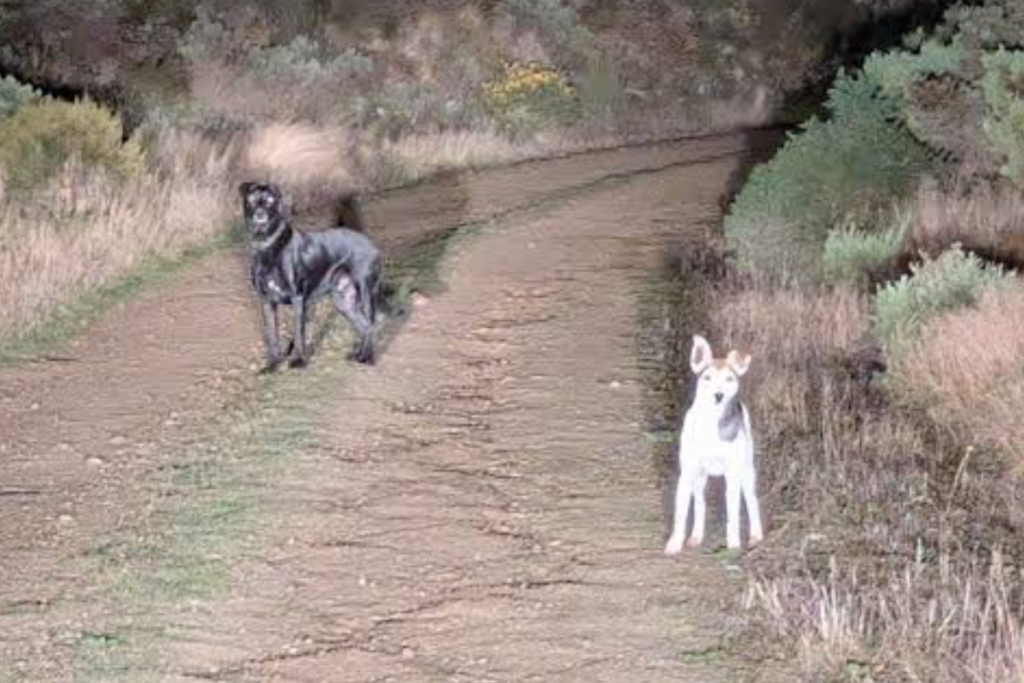
Complaints about uncontrolled dogs have risen 25 per cent in Porirua over the past year, with council records showing dozens of dogs repeatedly involved in roaming incidents.
Porirua City Council’s latest regulatory report shows a sharp increase in complaints during the 2025/26 financial year, reversing a decline in the previous year.
Uncontrolled dogs are now the most common reason residents contact the council’s animal-control team.
During the three months to June, the council received 214 reports of uncontrolled dogs. Officers identified the dogs involved in 120 of those incidents.
Across the full financial year, 356 individual dogs were identified in uncontrolled-dog incidents. Of those, 81 dogs, or 23 per cent, were involved in more than one incident.
In the June quarter alone, 13 dogs were responsible for repeated incidents, accounting for 17 per cent of the complaints received during that period.
An uncontrolled-dog complaint generally involves a dog roaming freely or one that has been caught and secured by a member of the public.
However, council officers caution that the increase in complaints does not necessarily mean more dogs are wandering the streets.
Public concern following several high-profile dog attacks nationally may have encouraged residents to report wandering dogs more frequently.
The council’s figures also show a mixed picture of dog-related problems across the city.
While uncontrolled-dog complaints increased, reports involving aggressive dogs fell 8 per cent during 2025/26. There were 32 complaints involving aggressive dogs during the June quarter.
Complaints about nuisance barking increased 24 per cent over the financial year.
The figures come as Porirua City Council considers spending an additional $300,000 a year to extend its after-hours animal-control service.
The proposed funding is being considered as part of the council’s developing 2027–37 Long-term Plan.
Porirua already has an after-hours dog-control service operated by a contractor, including weekends and public holidays.
The existing service responds to aggressive-dog incidents and certain situations involving dogs that have already been contained. Matters requiring further investigation are generally handled by council animal-control officers during normal working hours.
The additional funding would expand the existing service rather than establish after-hours coverage for the first time.
The proposal also raises questions about how animal-control services should be funded.
In May, councillors voted to freeze dog registration fees for the 2026/27 year instead of proceeding with a proposed increase.
The decision was expected to reduce projected registration-fee revenue by around $50,000.
Council officers had recommended maintaining existing charges while a broader review considered how costs should be shared between dog owners and general ratepayers.
Animal control is partly funded through rates because its responsibilities extend beyond dog owners to protecting residents and people using public spaces.
The proposed additional $300,000 has not received final approval.
Residents are expected to be able to comment on the draft Long-term Plan during public consultation in March and April 2027, before the council adopts its final plan in June.