




































































Porirua residents are being invited to help design a new approach to social services that could give local organisations greater control over how government money is spent on housing, food support and other services for families and whānau.
The city is one of just three communities selected nationwide to develop the new model, which could eventually shift important funding decisions away from central government agencies and into local hands.
But the changes are not guaranteed. No social services funding has yet been transferred, and the Government must approve any new arrangements before they can proceed.
Porirua was chosen in August from 49 applications, alongside communities in Ōpōtiki and on the West Coast.
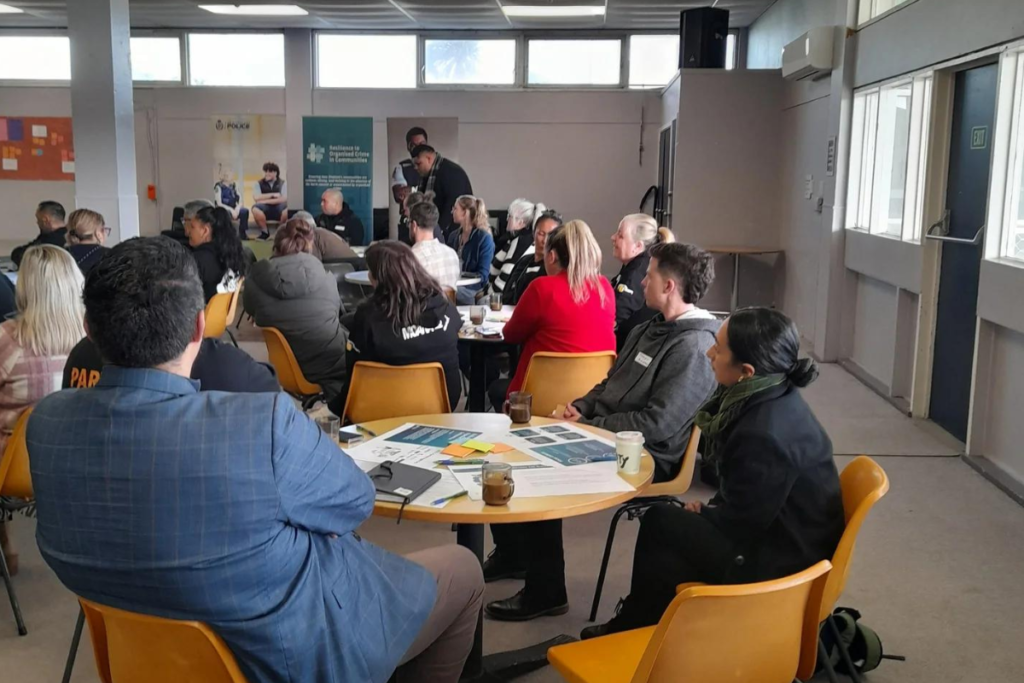
The Porirua Local Group brings together Ngāti Toa Rangatira, Porirua City Council and the Porirua Community Leaders’ Forum, a network involving more than 200 local leaders, organisations and service providers.
Their focus includes three issues affecting families across the city: secure housing, reliable access to healthy food and reducing the harm caused by drugs.
Under the proposed system, local organisations could have a greater role in deciding which services are needed, how they work together and where government funding should be directed.
For families, that could mean services that are easier to navigate and better connected, particularly when someone needs help with several problems at once.
The difficulties people already face are reflected in earlier community consultations conducted through Te Wāhi Tiaki Tātou.
“A damp house causes my kids to be sick,” one woman said during a consultation on mental health.
“It’s extra hard work for me as a mother, and impacts my mental health.”
Another participant, a young mother describing her experience of homelessness, said: “I was homeless and you say I don’t qualify.”
Those experiences illustrate why local leaders want services to respond more effectively to the circumstances of individual families, rather than requiring people to navigate separate organisations and eligibility rules.
Some practical work towards that goal is already taking place in Porirua.
The city’s Housing Kaupapa Group, established through the wider community-led work, has been bringing housing providers, iwi and other organisations together to identify barriers and improve cooperation.
Following meetings in May and June, members identified several priorities, including bringing agencies together to discuss families with complex needs, advocating collectively on housing issues and developing a directory showing what housing services are available and who to contact.
The group also wants organisations to understand each other’s work better, so people seeking assistance can be connected with appropriate support.
The housing initiative predates the Government’s new programme and provides an example of the local cooperation that the proposed funding model is intended to build upon.
Te Rūnanga o Toa Rangatira chief executive Helmut Modlik welcomed Porirua’s selection in August, describing it as recognition of years of work by local organisations and residents.
“This isn’t recognition of one organisation. It’s recognition of what our community has built together over many years,” he said.
However, Modlik also cautioned against expecting immediate changes.
“This isn’t a promise of additional funding, nor does it mean services or contracts are changing tomorrow,” he said.
The Government’s Social Investment Agency expects the three selected communities to spend between six and twelve months developing detailed proposals.
Those proposals will explain who would make decisions, how funding would be managed and how local organisations would be held accountable for the services they arrange.
Ministers are expected to consider the proposals in early 2027. Approval is not automatic, and existing services are not expected to change immediately.
In the meantime, Porirua residents have opportunities to contribute to the discussions.
A community information session was scheduled at Mungavin Hall on 21 October, with another confirmed for Wednesday 18 November.
The November session will run from 11am to 12.30pm in the Supper Room at Mungavin Hall, 10 Mungavin Avenue, Rānui.
Residents can meet people involved in developing the proposal, ask questions and share their experiences of local services.
Separate community hui are also scheduled for Tuesday 27 October, focusing on opportunities and support for young people, and Wednesday 28 October, focusing on community resilience and connectedness.
Those meetings form part of the wider work of the Porirua Community Leaders’ Forum rather than the Government’s formal social services design process.
For Porirua families, the opportunity is to help identify where existing support is falling short and what could work better.
Whether those ideas ultimately lead to changes in the way services are funded and delivered will depend on the proposals developed locally and the Government’s decisions next year.