
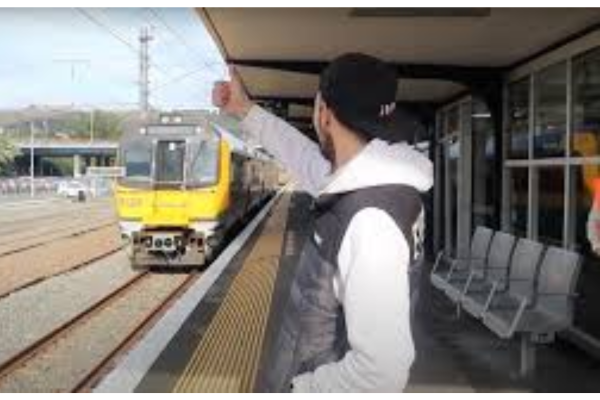









































































Porirua residents are increasingly turning to public transport as concerns grow over global fuel supply, with early signs showing a rise in bus and train use across the Wellington region.
Metlink data from the past two weeks shows a 3 percent increase in passenger numbers compared with the same time last year, marking a turnaround from recent declines.
Group manager Samantha Gain said the shift reflects a well-established pattern.
“Historically there has been a correlation between higher oil prices and increased public transport use, so we expect passenger numbers to continue to rise,” Gain said.
The increase comes as international conflict involving the United States, Israel and Iran places pressure on fuel supply and prices, prompting some commuters to reconsider how they travel.
For Porirua residents, many of whom rely on rail and bus connections into Wellington city, the change is already being felt during peak travel times.
Metlink is working with operators to ensure services remain reliable if fuel supply issues worsen. Gain said contingency planning is in place.
“Our preparations are thorough and extensive, and should this issue escalate, we will take direction from MBIE on a nationally coordinated approach and keep our passengers informed of any service changes,” she said.
Greater Wellington Regional Council chair Daran Ponter said public transport plays a key role in managing limited fuel resources.
“Simply put, we need to move the most amount of people with the least amount of fuel and public transport is designed to do exactly that,” Ponter said.
He noted the region’s growing use of electric transport, including most trains, a quarter of the bus fleet, and the Ika Rere electric ferry.
Ponter has joined Auckland Transport and Environment Canterbury in urging the Government to actively encourage public transport use during fuel uncertainty, rather than relying on working from home.
He said this approach would help maintain productivity while supporting workers who cannot work remotely.
Across the three regions, public transport agencies provide 89 percent of New Zealand’s services and recorded more than 141 million passenger trips in 2025.
Cabinet is expected to continue discussions this week on how global tensions may affect fuel supply in New Zealand.