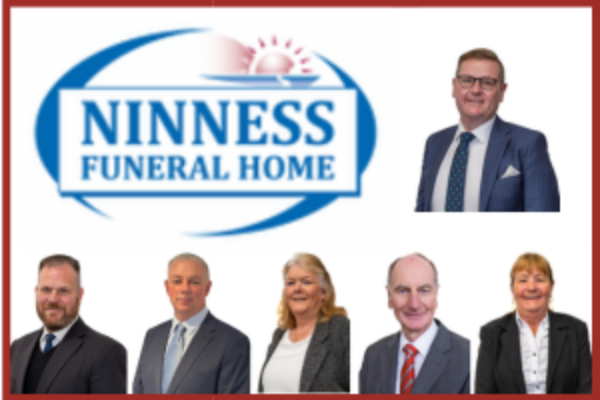













































In every community there are businesses that operate quietly, professionally, and with extraordinary responsibility. In Porirua, one of those is Ninness Funeral Home.
While most of us only interact with a funeral director once or twice in a lifetime, the work behind the scenes is constant. It is detailed, time-sensitive, highly regulated, and deeply human.
A Local Service with Generational Trust
Funeral directing is often misunderstood as a single event. In reality, it is a complex coordination process that begins the moment a family makes contact.
From liaising with hospitals, rest homes, and GPs, to completing legal documentation, arranging transport, preparing facilities, coordinating venues, working with celebrants and clergy, managing cremation or burial logistics, and ensuring cultural requirements are respected, every step requires precision.
For a local funeral home like Ninness, this work happens within the rhythms of the Porirua community. They are not a remote call centre or national chain. They know the churches, the venues, the cemeteries, and the people.
That local knowledge matters.
Operational Excellence Under Pressure
Unlike most businesses, funeral homes operate on an unpredictable schedule. There are no convenient hours. There are no postponed deadlines. Families need immediate guidance.
Behind each service is careful planning:
- Compliance with national health and safety standards
- Legal registration and death certification
- Timely coordination with crematoria and cemetery services
- Venue setup and service flow management
- Supporting families through viewing, service planning, and memorial details
It is logistics combined with compassion.
From a business perspective, it is one of the most demanding service models possible. It requires staff who can manage regulatory complexity while also carrying emotional weight.
The Human Skill That Cannot Be Automated
In an era where many industries are becoming automated, funeral care remains profoundly human.
Families are often in shock. Decisions must be made quickly. Financial considerations, cultural traditions, and family dynamics all converge at once.
A funeral director becomes part coordinator, part administrator, part counsellor.
That skill set is not easily replicated. It is developed over years of experience, listening, and steady professionalism.
A Service Industry That Teaches All Businesses Something
There is a lesson here for the wider business community.
The best service businesses are built on three pillars:
- Reliability when it matters most
- Clear communication in complex situations
- Quiet consistency over decades
Ninness Funeral Home exemplifies this model. Their work rarely makes headlines. It does not seek attention. But it supports families through one of the most significant moments of their lives.
That kind of service strengthens a community.
Part of Porirua’s Civic Fabric
Funeral homes sit alongside lawyers, accountants, health providers, and faith leaders as essential pieces of local infrastructure. They are trusted because they deliver reliably.
In a growing city like Porirua, continuity matters. Businesses that serve multiple generations become part of the civic fabric.
And while the circumstances are never easy, having experienced, local professionals to guide families through those moments makes an immeasurable difference.