




































































Porirua City Council has begun using licence plate recognition cameras around schools, but has not publicly disclosed the service provider cost or carried out financial analysis on whether the system will increase parking fine income.
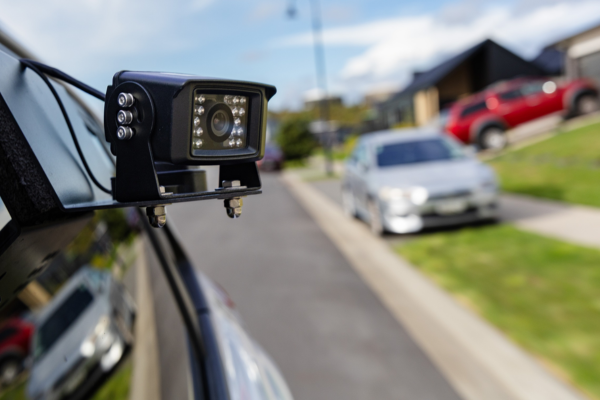
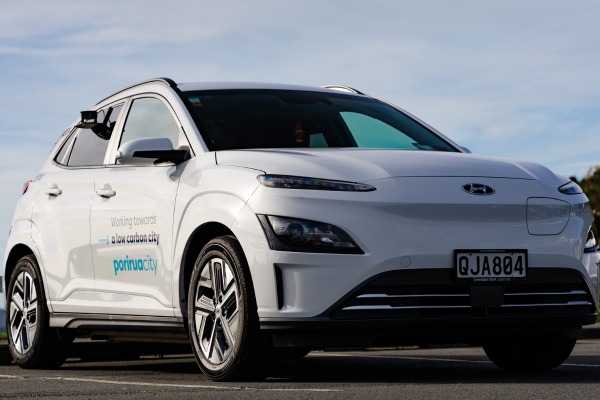
The cameras, mounted on a council vehicle, began operating this week and are being used first around schools to detect illegal parking, including vehicles stopped on broken yellow lines, blocking driveways, or parked on footpaths.
Council says the rollout is about safety, particularly for children walking to and from school, and about keeping parking officers safe.
But the introduction comes as Porirua faces significant financial pressure, including a 17.5 percent average rates increase in 2024-25, rising infrastructure costs and a stated push in its Long-term Plan to increase revenue targets.
The budget for the technology was approved in the council’s 2024 Long-term Plan.
Nic Etheridge, council’s manager of policy, planning and regulatory services, said revenue generation was not considered when the council decided to fund and introduce the technology.
She said the council had not carried out financial analysis on fine income and had not forecast any increase in fees for budgeting purposes.
Etheridge said infringement numbers were likely to rise slightly at first, but were expected to reduce over time as compliance improved.
“The overall goal is to promote compliance, safety and fair access to parking,” she said.
The council says the system will cost $34,000 a year to operate.
However, the cost of procuring the service provider has not been released.
“The costs associated with the procurement of the service provider is commercially sensitive and is therefore not publicly disclosed,” Etheridge said.
That means residents do not know the full cost of introducing the technology, or whether any increase in enforcement could offset those costs through fines.
The council has also said the cameras could later be used for wider purposes.
“Down the track, LPR can be used for checking warrants of fitness and registrations and whether a car is stolen, along with data collection of parking and road use around Porirua, informing future decisions and city development by our transport team,” the council’s release said.
Council says the camera operates within the requirements of the Privacy Act, people’s faces will be blurred in images, and images will be used only for evidence gathering and enforcement.
“We’re embracing up-to-date technology which allows us to do a job safely, fairly and efficiently,” Etheridge said.
Asked whether LPR data would be shared with Police or other agencies, Etheridge said collection, use and management of the data would comply with the Privacy Act and Official Information Act.
In Porirua, the cameras are being used around schools for the first month before any wider rollout.
But questions remain over how the public can assess the value of the system when procurement costs are withheld, no fine revenue modelling has been done, and the council has already identified future uses beyond school parking enforcement.